
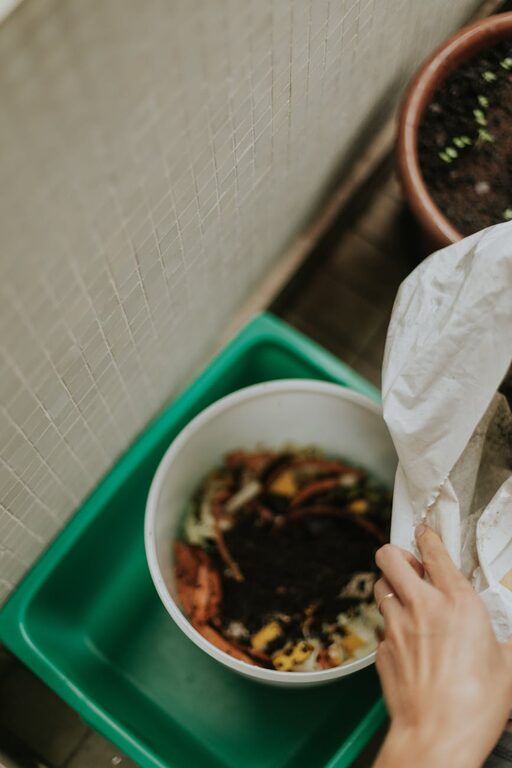
Reducing food waste at home not only helps you save money but also plays a part in protecting the environment. Food waste contributes significantly to greenhouse gas emissions and wastes valuable resources like water and energy. Thankfully, with a few mindful changes in your daily habits, you can make a big difference. This article explores practical and simple ways to reduce food waste in your household.
Understanding the Impact of Food Waste
Before diving into actionable tips, it’s good to understand why cutting down food waste matters. Globally, nearly one-third of all food produced is wasted, which amounts to billions of tons every year. When food ends up in landfills, it breaks down anaerobically and produces methane, a potent greenhouse gas. By managing food better, you contribute to reducing your carbon footprint and promote a more sustainable lifestyle.
Plan Your Meals and Shopping Wisely
One of the most effective ways to avoid food waste starts at the planning stage.
Create a Meal Plan
– Identify what meals you want to prepare for the week.
– Write down specific ingredients you need.
– Check your pantry and fridge first to avoid buying duplicates.
Meal planning helps you buy only what you need and prevents impulse purchases that often go unused.
Make a Realistic Shopping List
Stick to your list when grocery shopping. Avoid buying large quantities of perishable items unless you have a plan to use them promptly. Consider shopping more frequently for fresh produce to keep your fridge supplies manageable.
Shop Smart
– Choose “imperfect” fruits and vegetables that are often discounted but still perfectly edible.
– Buy loose produce instead of pre-packaged amounts.
– Purchase frozen or canned alternatives when appropriate, which usually have longer shelf lives.
Proper Food Storage
Properly storing food extends its life and keeps it safe to eat.
Understand Storage Guidelines
– Keep your refrigerator at or below 40°F (4°C) and your freezer at 0°F (-18°C).
– Store fruits and vegetables correctly: some produce, like apples and bananas, emit gases that speed ripening, so keep them separate.
– Use airtight containers to maintain freshness and avoid moisture.
Label and Organize Your Fridge
Use clear containers and label leftovers with dates. Arrange newer items behind older ones to practice “first in, first out” rotation.
Use Leftovers Creatively
Leftovers don’t have to be boring or forgotten.
Repurpose Food
– Combine leftover vegetables into soups, stews, or stir-fries.
– Turn day-old bread into croutons or bread pudding.
– Use fruit past its prime in smoothies or baking.
Plan Leftover Days
Set aside one or two days a week to clear out leftovers. This habit reduces waste and lessens cooking workload.
Practice Portion Control
Serving sizes that are too large often end in uneaten food.
– Use smaller plates to encourage reasonable portions.
– When dining out or ordering, consider sharing dishes or saving extras for later.
– Communicate portion preferences with household members.
Compost Food Scraps
Not all food scraps are avoidable, but you can divert them from the landfill.
Start Composting
– Collect vegetable peels, coffee grounds, eggshells, and other compostable scraps.
– Use a compost bin in your yard or an indoor compost system.
– Compost enriches soil and reduces methane emissions from waste.
Educate Your Household
Encourage everyone in your home to be mindful about food waste.
– Share tips and explain why it matters.
– Involve family members in meal planning and cooking.
– Create a culture of appreciation for food.
Additional Tips to Reduce Food Waste
– Freeze leftovers and surplus fresh food promptly.
– Use apps designed to track food freshness and recipes based on what you have.
– Donate unopened, non-perishable food items to local food banks.
– Regularly clean and review your pantry to avoid forgotten expired items.
Conclusion
Reducing food waste at home is achievable with a bit of attention and planning. By shopping smart, storing food properly, using leftovers creatively, and involving your household, you can minimize waste, save money, and contribute positively to the environment. Start with small changes today and enjoy the benefits of a more sustainable and waste-conscious kitchen.
—
Reducing food waste is a win-win for your budget and the planet. Implement these simple strategies and watch the difference in your household habits and impact.